
Overview
Anal cancer poses a serious health threat to certain population groups, primarily due to infection with the Human Papillomavirus (HPV). The disease is especially prevalent among men who have sex with men (MSM), and the risk increases significantly in HIV-positive individuals.
Epidemiology and Risk Factors
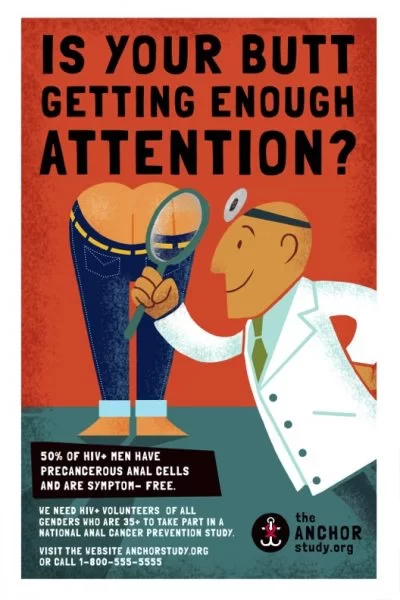
In HIV-positive MSM, the rate of HPV infection can reach up to 90%. Even more concerning is the fact that up to 50% of this population may develop high-grade dysplasia in their lifetime.
Major Risk Factors:
- Multiple sexual partners (more than 15)
- Frequent anal sexual contact
- History of cervical, vaginal, or vulvar dysplasia
- Smoking (increases risk 8-fold)
- Presence of anal warts
- Immunosuppression (transplants or medications)
- Long-term corticosteroid use
- HIV infection
Prevention Strategies
- Sexual Behavior
• Consistent condom use
• Limiting the number of sexual partners
• Establishing long-term, trusting relationships - Screening
• Regular anal cytology (like a Pap test)
• High-resolution anoscopy (HRA) for detailed assessment
• Annual screening for HIV-positive patients
• Screening every 3 years for MSM - Vaccination
• Strongly recommended for individuals who:
Engage in anal sex
Are immunosuppressed
Have HIV infection
Are sexually active up to age 45
Diagnostic Tools
- Anal Cytology
• Simple and quick
• High specificity but low sensitivity
• Used as a screening method - High-Resolution Anoscopy (HRA)
• Detailed visual examination with magnification
• Allows for biopsy sampling
• Essential for confirming dysplasia
• No bowel prep required
The Importance of Early Intervention
Timely diagnosis and treatment of precancerous lesions are critical. Around 10–15% of high-grade dysplasias (HGAIN) progress to cancer within 3–5 years if left untreated. With proper monitoring and intervention, the risk is dramatically reduced.
The Situation in Greece
Unfortunately, anal cancer prevention among high-risk groups in Greece is still in its early stages, primarily due to a lack of awareness. Coordinated efforts from public health agencies and medical professionals are urgently needed to raise awareness and promote regular screening.
Conclusion
Anal cancer prevention is both feasible and highly effective with proper education and routine screening. Adherence to preventive measures and timely diagnosis can significantly reduce the likelihood of developing the disease. It is crucial that high-risk individuals are informed and undergo the recommended screenings regularly.
